

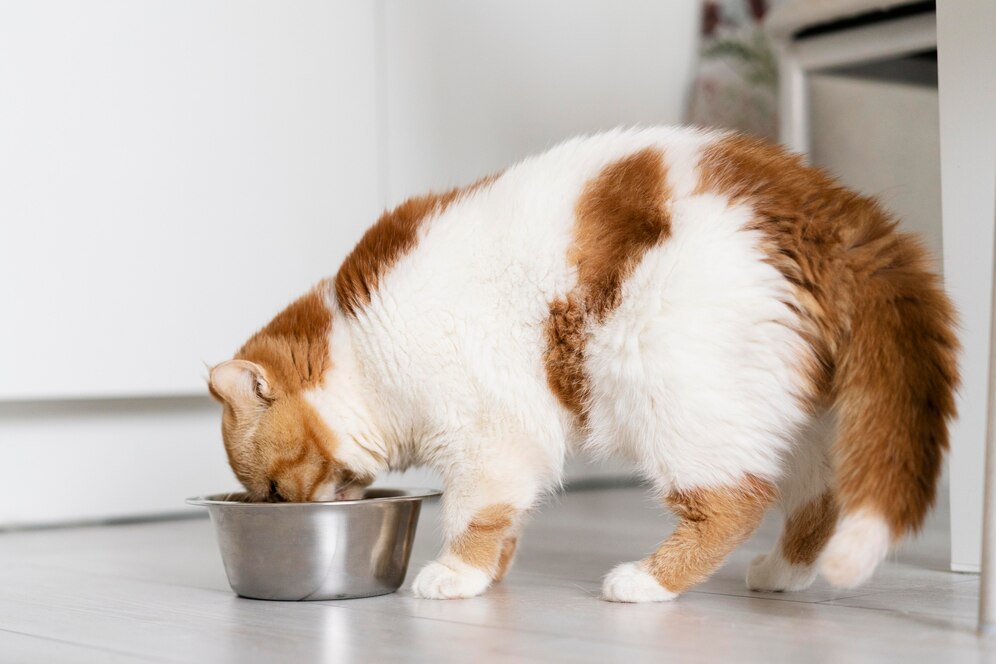
Introduction: Can a Cat Eat Before a Sonogram?
If your cat is scheduled for a sonogram (also called an ultrasound), one common question pet owners often ask is: Can a cat eat before a sonogram? The answer depends on various factors, including the type of ultrasound and the specific instructions from your veterinarian.
In this article, we’ll explore whether it’s safe for your cat to eat before the procedure, what to expect during the ultrasound, and how you can help your cat prepare for a successful test.
For more on this topic, you can also check out our previous article on Can a Cat Drink Before a Sonogram? A Simple Guide for Pet Owners.
What Is a Sonogram?
A sonogram is a non-invasive procedure that uses high-frequency sound waves to create images of the organs inside your cat’s body. This test is used to examine the kidneys, liver, stomach, heart (for echocardiograms), bladder, and other internal structures.
Sonograms are crucial for diagnosing many health issues and provide a clear view of the internal organs without the need for surgery.
Can My Cat Eat Before a Sonogram?
In most cases, no, cats should not eat before a sonogram. Typically, your vet will recommend that your cat fast for 8 to 12 hours before the test. The reason for this fasting period is that food in the stomach can block the view of important organs and cause gas, which may interfere with the imaging process.
That said, water is usually allowed unless your vet gives you specific instructions to avoid it. In fact, some types of sonograms, especially those of the bladder, may benefit from a full bladder. Drinking water can help your cat achieve this.
Why Fasting Is Important Before a Sonogram
Fasting is crucial for several reasons:
-
Clearer Images: A full stomach can obscure vital organs that need to be examined. Fasting ensures the best view of these organs.
-
Avoiding Gas: Food and air in the stomach can cause gas, leading to blurry images.
-
Sedation Safety: If your cat requires sedation during the sonogram, it’s safer to have an empty stomach to prevent any complications.
By following the fasting guidelines, you’ll help ensure that your vet can get the clearest possible images during the ultrasound, which is essential for accurate diagnosis and treatment.
Can My Cat Drink Water Before a Sonogram?
Yes, in most cases, drinking water is allowed before a sonogram. In fact, a full bladder can improve visibility during bladder scans, making the procedure more effective.
However, it’s important to consult your vet to confirm whether this applies to your specific situation. In rare cases, your vet may have special instructions, such as limiting or avoiding water intake if the procedure involves a different organ or requires sedation.
How to Prepare Your Cat for a Sonogram
Here are some steps to help prepare your cat for a successful sonogram:
-
Talk to Your Vet: Always ask your veterinarian for specific instructions regarding food and water intake before the test.
-
Stop Feeding: Typically, food should be withheld for 8 to 12 hours prior to the sonogram.
-
Allow Water: Unless your vet advises otherwise, drinking water is generally acceptable.
-
Keep Your Cat Indoors: This will help prevent your cat from eating or drinking without your knowledge.
-
Bring Comfort Items: Consider bringing a blanket or a favorite toy to make your cat feel more at ease during the visit.
-
Arrive Early: Ensure you have enough time to complete any required paperwork or other pre-test procedures.
Tips from Vets
-
Follow Instructions: Always follow your vet’s specific guidelines regarding food and water.
-
Keep Calm: If your cat is anxious about the test, ask your vet if calming medications or other options are available.
-
Communicate Health Issues: Let your vet know about any health issues your cat has that might affect the ultrasound.
-
Don’t Feed Snacks: Avoid feeding treats or snacks the night before the test.
Special Considerations for Heart Ultrasounds (Echocardiograms)
For a heart ultrasound (also called an echocardiogram), the food and water rules may be different. In some cases, your cat may be allowed to eat and drink before the procedure. Since heart ultrasounds are focused on the heart rather than the stomach or bladder, fasting may not be necessary.
However, always confirm with your vet before the test.
Learn more about heart ultrasounds and how they help diagnose heart conditions in cats.
Frequently Asked Questions (FAQs)
Q: Can my cat eat the morning of the ultrasound?
A: Generally, cats should not eat for 8 to 12 hours before the test. Always check with your vet for specific instructions.
Q: Why does my cat need to fast before the sonogram?
A: Fasting ensures that food does not obstruct the view of internal organs, making the ultrasound clearer and more accurate.
Q: Can my cat drink water before the ultrasound?
A: Yes, drinking water is generally allowed unless your vet advises otherwise. A full bladder can be beneficial for certain types of scans.
Q: Will my cat need to be shaved for the sonogram?
A: Yes, typically a small area will be shaved so the ultrasound probe can make good contact with your cat’s skin and provide accurate results.
Q: How long does the ultrasound take?
A: The procedure usually takes about 20 to 30 minutes, but it could take longer if your cat is anxious or if the test involves multiple organs.
Conclusion
In most cases, your cat should not eat for 8 to 12 hours before the sonogram, but drinking water is usually allowed. Always confirm the guidelines with your vet to ensure your cat is properly prepared. Following these instructions will help ensure that the ultrasound goes smoothly and that your vet can get the best possible results for an accurate diagnosis.
For more detailed information about sonograms and ultrasounds for pets, check out trusted veterinary sources such as VCA Animal Hospitals’ guide to abdominal ultrasounds or visit PetMD’s ultrasound guide for cats.
By properly preparing your cat for the sonogram, you can make sure the procedure is stress-free and as effective as possible.

